
Updated August 7th, 2026
More and more radiologists are working part-time or full-time from home as teleradiologists. No matter what teleradiology structure you work in, it is very different from a hospital or private practice environment. One of the most important factors is that you can be paid on a report basis. Therefore, efficiency in your teleradiology environment translates into more free time and/or more money. The center of your work is your teleradiology workplace. You want it to be as comfortable and efficient as possible. In this article, we will discuss the environment and components you need to create the optimal and most efficient teleradiology workstation.
Further Reading: Working from Home as a Radiologist – Teleradiology Explained!
Why Should You Optimize Your Teleradiology Workstation
Take a moment to think about what the best radiology setup would look like for you.
If you´re a radiology resident or board-certified radiologist in a hospital, you may have to work your eight to X hours every workday. There are plenty of reports to write, but also patients and colleagues to be talked to and other tasks to complete. In this environment, there will most likely be standard workflows and standard radiology equipment available to all radiologists. However, these workflows may not be optimized for individual radiologists and the available gear is not personalized.
Working as a teleradiologist usually means you´ll have more freedom and most likely be your own boss (even if you´re employed by a teleradiology company). This is because you only need to report the cases you are assigned to. Once your list is empty, you can take a break at your teleradiology home-office. However, this means that working more efficiently means more breaks (or more money, if you can fit more reports into the same time period).
Therefore, you should optimize your teleradiology workplace to be as comfortable and efficient as possible.
How To Optimize Your Teleradiology Workplace
The teleradiology market is growing steadily. This also means that the competition is increasing and efficiency may become more and more important. There are three key ways to make your teleradiology workstation comfortable and efficient: optimization of workflows, robust and efficient equipment, and a comfortable environment.
1. How To Optimize Workflows in Your Teleradiology Workplace
Think about how often you have experienced technical (or other) problems while working as a hospital radiologist. How many hours (or days?) have you lost while being interrupted by another physician, waiting for a program to respond, or having to follow suboptimally structured workflows.
Now you have the chance to make things right (for) yourself. From receiving and opening images to viewing and reporting, everything should go smoothly. You can ensure this by following these tips to optimize your teleradiology workflow:
Fast and Reliable Data Connection:
A fast and stable high-speed internet connection is crucial for transmitting large medical imaging files. Although a standard DSL connection may be sufficient, you may opt for a fiber connection that offers reliable and consistent speeds.
Additionally, with a high-speed internet connection for your telemedicine workstation, you are prepared for cloud computing services and can easily access multiple files such as previous radiology images. Finally, you need to make sure that your network is secure to protect patient data. Aside from encryption and firewalls, virtual private networks (VPNs) help to safeguard sensitive medical information. Depending on the country you´re working in, the requirements for this may differ.
Efficient Teleradiology Reporting Workflows
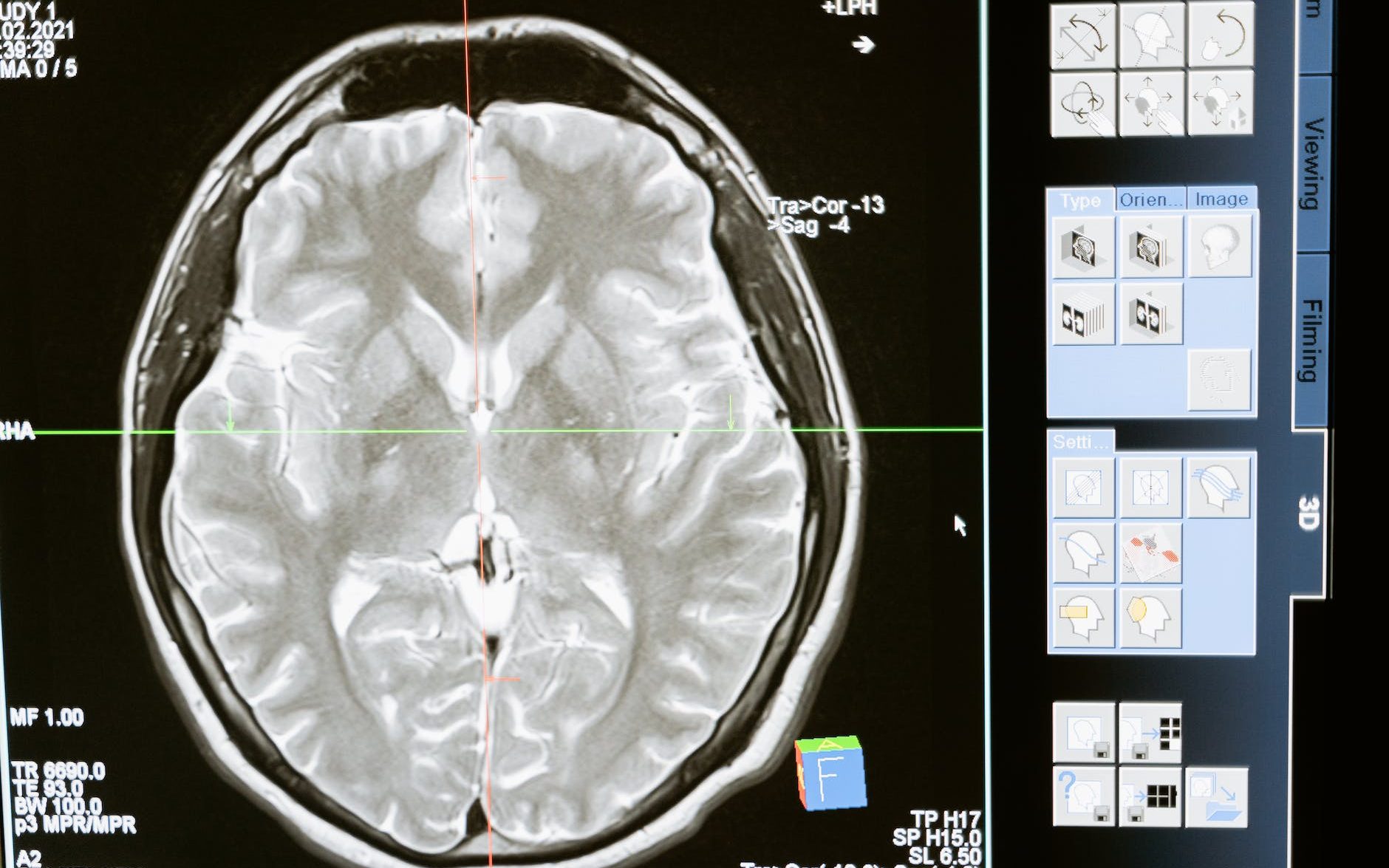
Now you have received the images and you want to start to write your teleradiology report. There are many ways in which the process of reporting can be facilitated:
- Use templates or structured reporting: I always had my standard structured reports on hand for the most common studies. That way, I could easily fill in the missing parts or edit my default report. This saves so much time and you may less likely miss reporting something because your structured report guides you through the exam.
- Use voice commands and programmable keys: Adding to the first point, you can semi-automate the insertion of your standard report or parts of it by programming voice commands or program keys on your radiology mouse or keyboard.
- Use hanging protocols: Most modern PACS applications allow for individual hanging protocols. Hanging protocols in your teleradiology workflow enable a standardized viewing of specific studies.
General Optimization of Workflows in Your Teleradiology Home-Office
In addition to optimizing your reporting, there is also room for improvement in the general workflow. For example, you may have a thematically overlapping or complementary hobby or side-business such as a medical blog. By adding a secondary set of monitors and keyboard, you can easily switch between tasks and effectively use the time you´re working as a teleradiologist.
If you´re an “on-call teleradiologist”, you may not want to keep your workstation running all the time. In this case, you may want to optimize your system’s startup speed (SSD) or utilize gadgets such as Wi-Fi outlets*, that allow you to remotely start your teleradiology workstation via app.
2. Efficient Technology for Your Teleradiology Workstation
When we talked about streamlining workflows, you may have noticed that technical equipment plays a key role in the process. There are many ways of how your radiology gear can optimize your workflow:

Dictation Microphone for Your Teleradiology Workstation
A high-quality radiology speech recognition microphone is essential for reporting. A good dictation microphone in combination with a great speech recognition software allows for easy reporting and it may even learn your style.
Additionally, you can and should use the keys on your microphone or use voice commands for more efficient reporting. If you want to have your hands free for mouse and keyboard, look for a microphone stand or headset.
For further information: The Best Dictation Microphone for Radiologists
Radiology Mouse for Your Teleradiology Workstation
Most of the time I find myself with the microphone in my left hand and the mouse in my right hand. By having a mouse with (many) programmable buttons, you can facilitate many tasks. These include taking measurements, adjusting window modes, starting your microphone or even inserting templates. Additionally, an infinite scroll wheel can significantly increase your scrolling speed. For further details see our article on the best mouse for radiologists.
Radiology Keyboard for Your Teleradiology Workstation

A comfortable and optimized radiology keyboard also plays an important role in your teleradiology reporting workflow. Similar to your microphone and mouse, it allows you to customize and program individual keys. Using these radiology workflow shortcuts can also save you time and make the reading process easier.
Additional Efficient Gear for Your Teleradiology Workstation
- KeyPad: A keypad, such as the 24-key XK-24* allows for additional shortcuts such as additional window modes, templates or measurements.
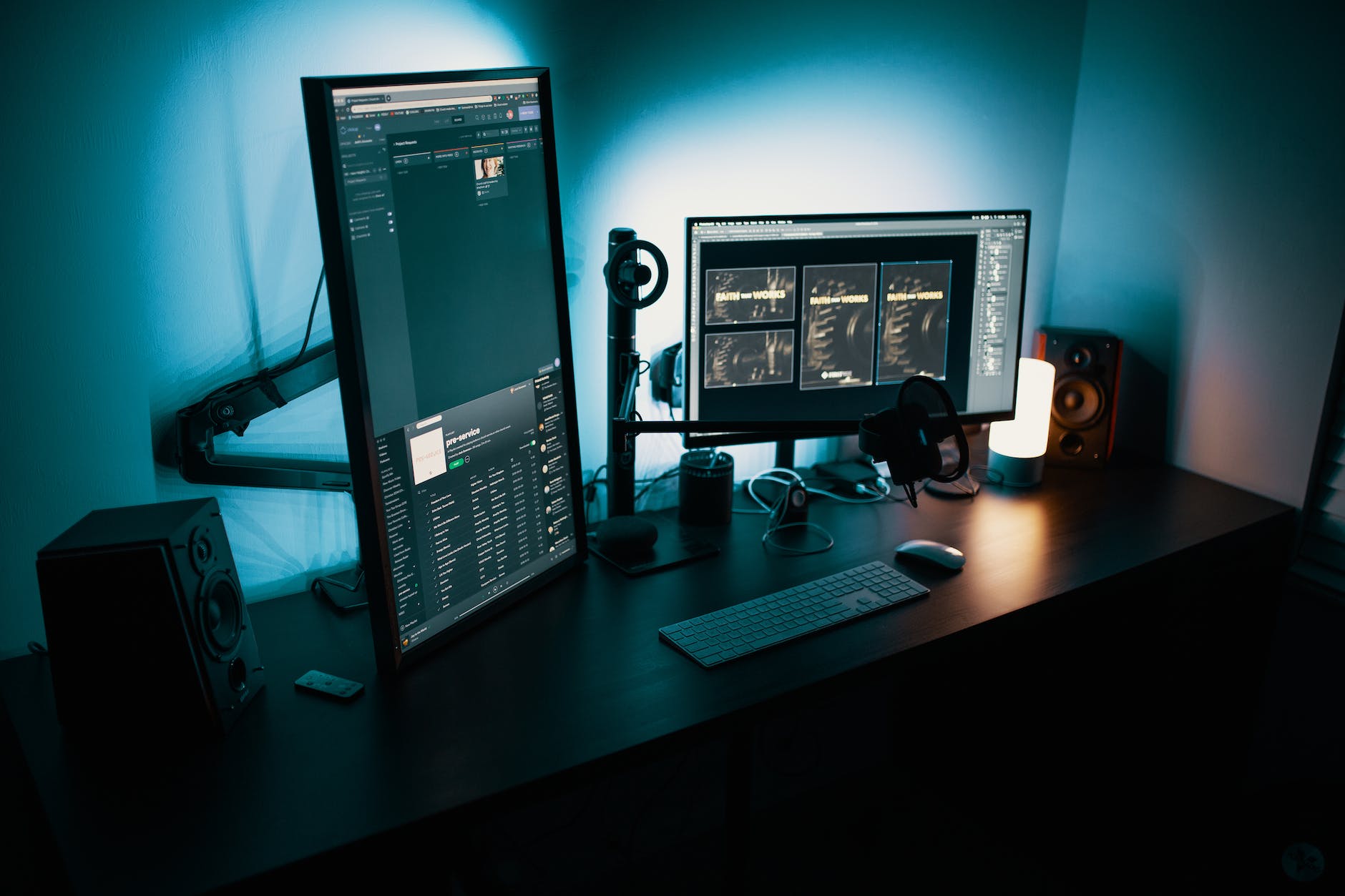
- Monitors: The simple fact of having two or more monitors at your workstation can enable multitasking and help speed up reading.
- Multi-Ports: Depending on how many gadgets you are using, multi-ports can help to avoid cable chaos. You can also look for wireless options of your gear: mouse, keyboard or microphone.
- Ambient lighting: Ambient lighting can improve your concentration and overall comfort. And when you’re comfortable and focused, you’ll report faster and better.
Some of my favourites: USB C Hub Multiport Adapter*, XK-24 programmable keypad*, ambient RGB Light Bar*.


3. How to Create a Comfortable Teleradiology Environment
A comfortable environment is not only pleasant, it can also help improve your performance, concentration and even prevent illness. The main components you can adjust to make your teleradiology workplace more comfortable are: posture, device operation, lighting, and noise.
How to Achieve Good Posture at Your Teleradiology Workstation
- Adjustable desk: Using a height-adjustable desk allows you to report/work standing up and switch between standing and sitting. This is a great option for your overall well-being and additionally keeps you fit.

- Comfortable chair: A comfortable chair is also important. I myself like to have a chair with head and lumbar support*. If you´re looking for a comfortable chair, I can give you the tip to search for gaming chairs*. These already come with the most important features and also fit optically well into a modern teleradiology setup.

- Ergonomic monitor: You can have the best desk and chair setup. If your monitor is not well adjusted, your neck may hurt over time. When choosing a monitor or monitor stand, look for adjustable options that can be set up ergonomically to minimize strain on your neck and back.
Ergonomical Radiology Devices for Your Teleradiology Setup
Adding to posture, ergonomical devices and/or ergonomical handling are also important. They can help to reduce stress to your wrists and neck and additionally improve your posture.
- Ergonomic radiology mouse: Some radiologists have wrist problems when operating with a standard mouse for longer periods of time. I have several colleagues that switched to a vertical radiology mouse. These options can help to significantly reduce muscle strain.

- Ergonomic mouse pad: Having a wrist support for your mouse pad can be a great relief. These ergonomically designed pads give support to the wrist but reduce wrist fatigue and pain that may be caused by prolonged reporting. Additionally, you can get one with a nice radiology design*.

- Wireless options: Many devices are also available as wireless options. However, these strongly depend on your preferred working position. If you like to work standing, a wireless microphone or mouse may be a great option.
Ambient Lighting for Your Home Radiology Workplace
At the end of the day, lighting is something that can really make a difference. Radiologists work in dimly lit areas and you cannot have bright lights. However, there is a solution that provides comfortable lighting without disturbing your reading process. By placing one or two RGB Lightbars* behind your monitors, you can passively light your workspace.
How to Set Up the Best Teleradiology Workstation – The Conclusion
Creating the most comfortable and efficient teleradiology workstation is not only fun but can also help you in many ways. You can save time by optimizing your workflows. You can also prevent injuries by optimizing your workplace ergonomically. In this article, you can find many options and different aspects to consider when designing and building your teleradiology home workplace. I hope you found some interesting information. Feel free to contact me with any questions.
Happy reporting!
Some links on this site are affiliate links(*). If you choose to buy a product using these links, I might get a commission for this purchase. For you, this does not change the price.
One thing that does not fit on a desk but belongs in the same conversation: a VR headset turns a two-monitor workstation into a room, which matters more for teaching and planning than for reporting.

2 thoughts on “How to Set Up the Best Teleradiology Workstation”
Comments are closed.