
Updated March 26th, 2026
Hi, I´m Josh, a board-certified radiologist. Recently, I have received some messages about “why should I become a radiologist?”, “is radiology hard?” or “what are the upsides and downsides of being a radiologist?”. Therefore, I decided to put together some pros and cons of being a radiologist in this article.
Please note that these are my personal opinions. They may differ significantly depending on who you ask and in what setting or country they work.
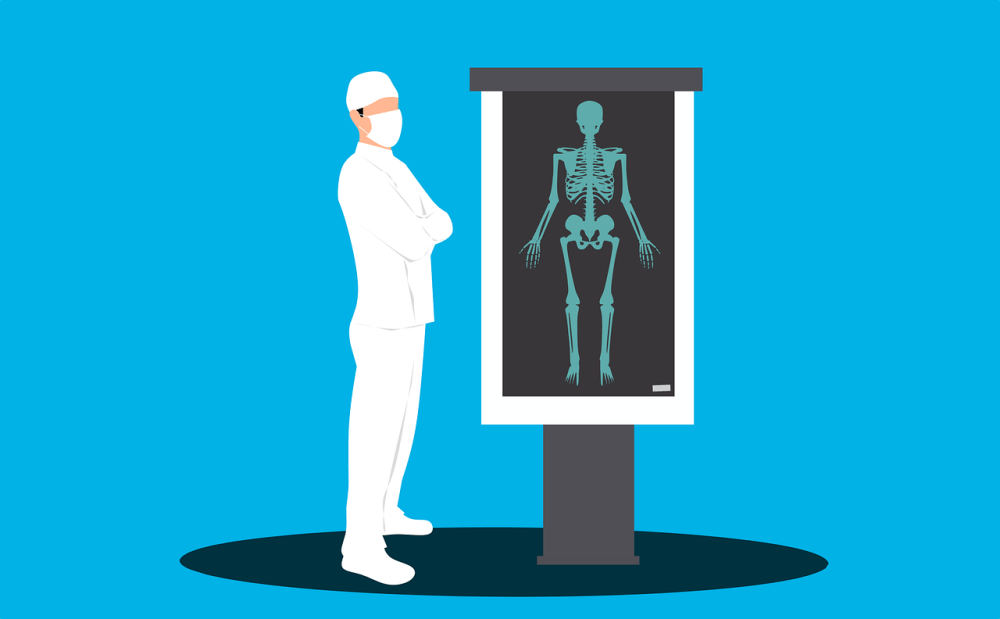
Advantages and Disadvantages of Being a Radiologist in a Nutshell
If you don´t have the time to read the article, here are the pros and cons in a nutshell:
Pros
- Broad-based specialty
- Good for your reward system (solving puzzles)
- High-tech specialty (ever evolving)
- No rounds and limited patient interaction
Cons
- Can be a solitary specialty
- Risk for radiation exposure
- Reduced patient interaction
- Sedentary activity
In the following paragraphs, we will discuss the pros and cons of being a radiologist in more detail:

Pros of being a radiologist
In my opinion, there are several advantages of being a radiologist. If I should describe it in one sentence, I´d probably say: “I love radiology because it is a broad, dynamic, and technologized specialty with many subspecialty options.” But lets look into specific benefits of being a radiologist:
1. Radiology is a very broad-based specialty
As a radiologist, you can image almost any part of the human body. As a result, you are involved in the diagnosis and treatment of a wide range of conditions (thats why our textbooks are soo thick…).
If you are a neurologist, your focus will be on the nervous system. If you go into cardiology, the heart and cardiovascular system will be your focus. However, as a radiologist, you can be part of any of these specialties.
If you work in general diagnostic radiology, you might diagnose a stroke, then interpret a cardiac CT or MRI, and then look at an x-ray for a fracture afterwards. Additionally, you can specialize in any of this regions. What if diagnosing is not enough for you? You can also treat a lot of diseases by going into interventional radiology.
That is one of my favorite benefits of being a radiologist – the versatile radiology workday.
2. Radiology can be very good for your reward system
As a radiologist, you sort of solve puzzles. Often you will get an x-ray, CT or other with a specific question. And you try to answer it.
- There is a patient with abdominal pain? You can diagnose diverticulitis.
- A patient with focal neurology? You may find the stroke.
- What about back pain? You may see a herniated disc or fracture. (or nothing)
There are many cases where you can answer the diagnostic question. By doing so, you will directly help the patient and the treating physician. And each successful answer will not only improve your diagnostic skills. It is also very rewarding.
Of course, there will be cases that you simply cannot solve. However, over time you will get better and by talking to colleagues and clinicians, you will come to a satisfactory conclusion more often.
3. Radiology is a high-tech specialty
As a radiologist, you can work with the latest diagnostic and interventional gear. In your daily routine, you are using complex machines such as CT and MRI systems. In addition, these machines continue to evolve. For example, CT systems with photon-counting detectors have recently become clinically available. These machines come with a number of benefits that can significantly improve the diagnostic workup of different pathologies.

However, even if you´re not working with the latest technology, any ultrasound system or CT is basically some sort of magic. In addition, you can use powerful software to reformat your images in order to get the most information out of them. If you´re a tech enthusiast like me, radiology is the specialty, in which you can best indulge yourself.
Also, you can improve your workflow with personalized gear such as a specialized mouse or keyboard.
4. The lack of rounds and patients staying overnight
Of course, this is a somewhat controversial argument. Many people go into medicine because they want to work with and help patients over a long period of time. While this can be very rewarding, it can also be a burden.
In most radiology departments or practices, you see one patient at a time (or one case at a time). When your shift is over, you go home having (hopefully) solved and closed all your cases. And if you come back, the next day will start with new patients.
Naturally, some will also see this as a downside of radiology. And there are more and more interventional radiology departments where patients stay overnight. However, it may be easier for some to leave work with “only” the patients you saw today on your mind, not knowing what you will see the next day.
Cons of being a radiologist
Where there are benefits, there are also downsides. In this section, I will talk about some of the downsides of radiology.
1. Radiology (especially teleradiology) can be a solitary specialty

You spend a lot of time in front of a screen as a diagnostic radiologist. Additionally, if you work in a small hospital or practice, you may not have many colleagues. Over time, this can feel somewhat lonely.
Furthermore, with the growth of teleradiology, more and more radiologists are working remotely. As a teleradiologist, you may be sitting at home at your teleradiology workstation. You are remote from patients, radiologists, and other physicians. I’m aware that some will see this as an advantage. It is very compatible with family and children. However, it can be very lonely to work remotely and not have contact with patients and colleagues.
Further reading: Working from Home as a Radiologist: Teleradiology Explained!
2. In radiology you are at risk for radiation exposure
If you follow good practices, you will not receive significant radiation exposure in diagnostic radiology. Personally, I perform CT-guided procedures on a daily basis. However, my body dosimeter has not recorded any radiation over the last few years. This is because I care for radiation safety and protective gear such as leaded glasses for radiologists.
Of course, if you’re an interventional radiologist or neuroradiologist, this will be different. Especially during interventional angiography procedures, some radiation will reach your extremities. However, if you are well-equipped (lead apron, protective glasses, device options, and radiation protection at the operating table), you can significantly reduce the exposure. Additionally, you should always wear your dosimeter (body, finger…) to regularly assess potential exposures.
If you want to be extra cautious: Get the Best Radiation Detector!
However, recent studies showed that radiation exposure of radiologists and radiologic technologists is 90% below annual dosage limits.
3. In radiology, you may have reduced patient contact
As you may notice, I also put this in the pro-section of this article. However, the reduced patient interaction can also be a downside – especially in diagnostic radiology. As an interventional radiologist, you have your own patients.
But in diagnostic radiology, this contact can be scarce. For example, you may diagnose a patient but wont be able to follow-up on her or him because the next studies will be read by your colleagues.
However, as I described in my typical radiology workday – this does not have to be true for all scenarios. In the end there are many different settings with more or less patient interaction.
4. You may spend a lot of time sitting at your workstation
Radiology studies must be read. And this is most likely done sitting in front of a monitor. Be aware that some rotations (CT, MRI, X-ray) may require you to sit at your workstation for extended periods of time to write your reports.
Ultimately, if you´re working as a teleradiologist, you may only be working on your PC. Therefore it is important that you have an ergonomic reading environment. Otherwise you run the risk of getting back pain or other problems. Additionally, a mix of sedentary and more mobile activities (ultrasound, interventional radiology) can be beneficial. Else, you should aim for sport to balance after work.
Pros and Cons of Being a Radiologist – The Conclusion
How do you see it? Do the advantages outweigh the disadvantages?
Personally, I think there are many more pros than cons to being a radiologist. It is simply one of the broadest specialties where you can solve so many mysteries and also work in a highly technological environment (and even remotely).
Of course, each of these points can be discussed at length. Although there are some general pros and cons, there are always very personal opinions on each of them. If you think there are very important ones missing, please don´t hesitate to contact me.
