
Updated April 3rd, 2026
As a radiologist you need to constantly translate your findings to text. A high-quality speech recognition microphone is an indispensable element to facilitate this process. It allows for straightforward dictation, resulting in a perfect radiology report. However not all microphones are equal when it comes to speech recognition. In this article, we will discuss the key factors of the best dictation microphone for radiologists and highlight the best devices on the market.
By the end, you should have a better understanding of how to choose the right microphone to improve your accuracy and efficiency to write better reports with less effort.
Also read: How to set up the best teleradiology workstation.
The Best Dictation Microphone for Radiologists – The Top 5
Key Features to Consider When Choosing a Dictation Microphone for Radiologists
Radiologists have high requirements on their gear, be it the mouse they use to navigate or the microphone to dictate. Whether you read at home as a teleradiologist or in a reporting room of a larger hospital, there are some features that you don’t want to miss in your speech recognition microphone.
High Sensitivity
A radiologist’s microphone needs to accurately capture and translate their voice and differentiate it from any background noise. It should also only activate itself when speaking or when the recording button is pressed.
Speech Recognition
A dictation microphone for radiologists should not only recognize speech but also adapt to each individual radiologist’s voice. This ensures accurate recognition and error-free translation of the spoken words into radiological reports.
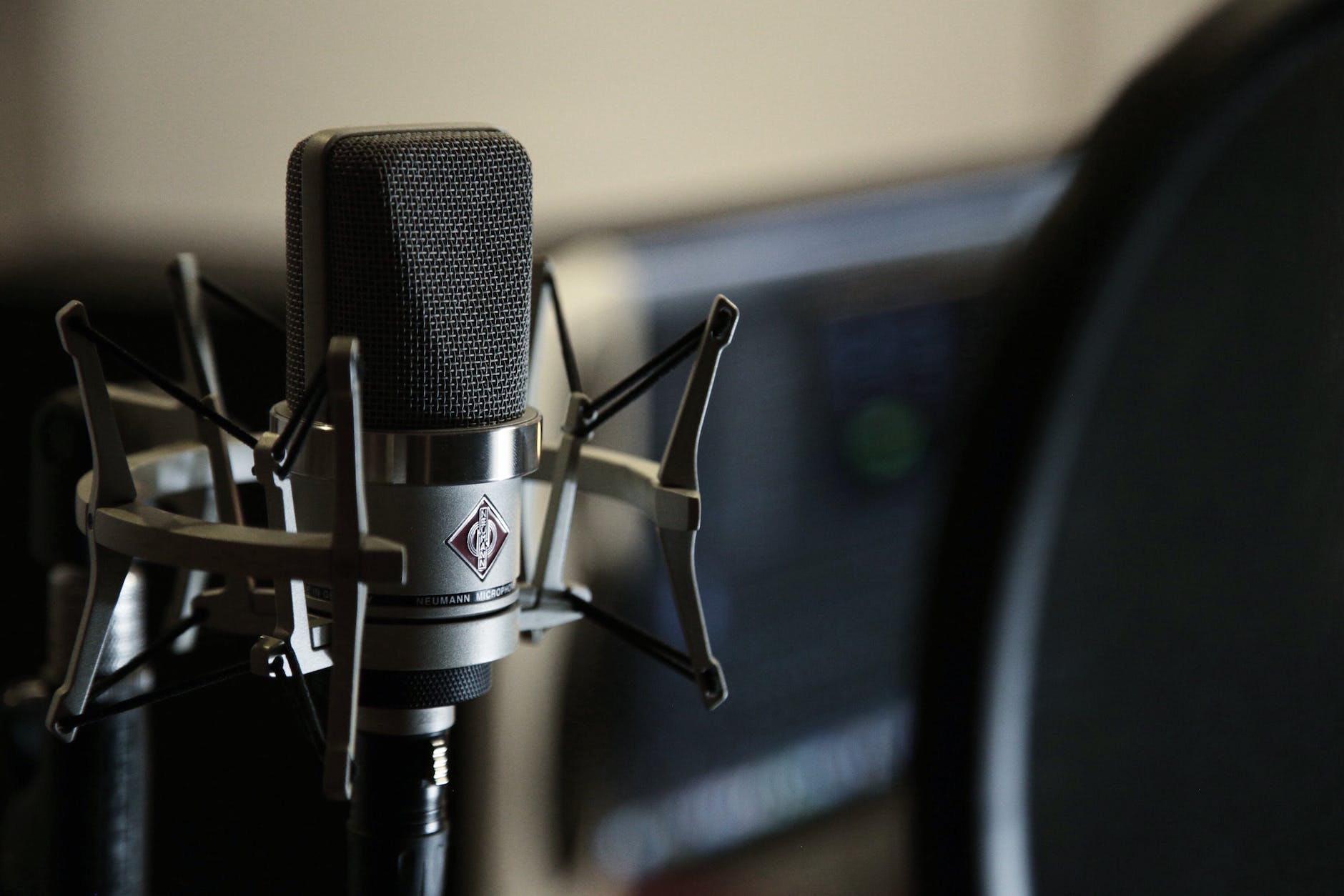
Noise-Cancelling
Although speech recognition requires high sensitivity, it should also be able to differentiate background noise. Thereby it helps reducing or eliminating noise other than the voice of the radiologist and enables clear and accurate speech recognition.
Customizability
Customizable buttons and programmable features can help to access relevant features more easily. Furthermore, they can be used to implement macros or pre-dictated templates to speed up the reading process.
Ergonomic Design
A radiological dictation microphone is often held for several hours. Therefore, a comfortable and ergonomic design can help to prevent hand or wrist fatigue.
Wired or Wireless Technology
Some radiologists prefer wireless dictation microphones for increased mobility and less clutter on the desk.
Compatibility
It’s important to ensure that the microphone is compatible with the speech recognition software used by the institution or the radiologist. Some microphones come with their own software while others may be compatible with different options.
The Best Dictation Microphone for Radiologists – In Detail
1. Philips LFH3200 SpeechMike III Pro — The Classic

This handheld dictation microphone comes with a retro design and brings customizable buttons as well as a built-in trackball for easy one-handed navigation. It is light, comfortable and can be put on the table with two little pins on the back to hold it in place.
Pros
- Customizable buttons
- High-quality microphone
- Very commonly used by radiologists
Cons
- Cable can be annoying if you are looking for a wireless option
- Some might not like the design
- The trackball can sometimes be prone to malfunctions
2. Nuance PowerMic III — The Optical

The Nuance PowerMic III is specifically designed to be used with Dragon Medical Practice Edition software. It comes with standard USB and a 3.5 mm headphone jack. For one-handed control this device comes with an optical sensor that allows mouse movement while dictating.
Pros
- Standard and widely used microphone for radiologists
- High-quality microphone
- Customizable
Cons
- Somewhat expensive
- Limited compatibility with software other than Dragon
3. Philips LFH3500 SpeechMike Premium — The Grille

The Philips LFH3500 comes with a built-in microphone grille that gives it a very stylish look. Additionally, it has customizable buttons and a tracking ball just like the LFH3200. There are options with an extra long spiral cable and the classic timeless design fits on every radiologist’s desk.
Pros
- Microphone grille
- Very good noise-cancelling
- Comfortable ergonomic design
Cons
- Trackball might not be too reliable or has a steep learning curve
- No wireless option — see the SpeechMike Premium Air below
4. Philips SpeechMike Premium Air — The Wireless

In this selection, this is the only wireless dictation microphone for radiologists. It connects to a distance of up to 16 feet or 5 meters allowing radiologists to move around while dictating without cables. This microphone comes with a docking station that allows for high-speed recharging.
Pros
- The only wireless option in this selection
- Less cables on your desk
- High-speed charging docking station
- High-quality Philips microphone
Cons
- More expensive than other wired options
5. Olympus RecMic II RM-4010P — The Steadfast

Besides Philips and Nuance, there is also Olympus producing high-quality dictation microphones suitable for radiologists. The RecMic II RM-4010P comes with intelligent dual microphones able to suppress unwanted background noise. Its triple-layer sound studio pop filter blocks mouth noise and the comfortable stand enables hands-free dictation.
Pros
- Noise-suppression with dual microphones
- Microphone stand offering hands-free dictation
- Good value for money
Cons
- Some users reported limited compatibility with Mac
Now Which One Is the Best Dictation Microphone for Radiologists?
This question can only be answered by each radiologist individually. Since all options are somewhat pricey, they need careful consideration and comparison. In this article we compared the best and most commonly used speech recognition microphones for radiologists. Whether your budget is lower or higher, you prefer wireless or wired microphones or you care for modern or timeless design, there will be a perfect choice for the specific needs of every radiologist.
Further reading: Pros and Cons of Being a Radiologist | Best Radiology Keyboard | Best Lead Glasses for Radiology
Happy reporting!
Some links on this site are affiliate links (*). If you choose to buy a product using these links, I might get a commission for this purchase. For you, this does not change the price.
