
Updated August 23rd, 2023
In the rapidly evolving landscape of modern medicine, a revolution is underway. The digital and social media boom is reshaping the way healthcare professionals connect with their patients and communities, opening up exciting new possibilities. From data sharing to online reviews and ratings, the influence of social media in healthcare is pervasive, presenting both opportunities and challenges. But with all these opportunities one question arises: How to use social media as a medical professional?

Using Social Media as a Healthcare Professional – Challenges and Opportunities
Imagine the possibilities that lie within your fingertips. A world where medical professionals can seamlessly connect, educate, and empower peers and patients regardless of geographic limitations. This is the era where social media platforms have become powerful tools that bridge the gap between physicians, their colleages and those under their care.
However, as with any revolution, there are challenges and uncertainties that accompany this new frontier. Some medical professionals, rightfully cautious, have concerns about the potential risks and ethical implications associated with the use of social media in the healthcare setting. They seek guidance on navigating this digital landscape, unlocking the full potential of social media while safeguarding patient care and professional integrity.
In this article, we will explore how medical professionals can effectively leverage social media platforms to enhance patient care and propel their own professional growth. We will navigate the opportunities and challenges this digital landscape presents, equipping you with the knowledge and strategies to harness social media’s power while safeguarding patient well-being and professional integrity.
So, let’s discover how medical professionals can harness this powerful tool while safeguarding their practice and patients.
12 Rules Every Doctor Should Follow on Social Media
Before diving into the world of social media as a medical professional, it is essential to keep these 12 rules in mind (adapted from the article of the Kassenärztliche Bundesvereinigung of Germany and the handout of the German Medical Association). These rules are crucial for every doctor to ensure responsible and ethical use of social media platforms. They provide a framework to protect patient privacy, maintain professionalism, and uphold the integrity of the medical profession. Here are 12 rules for pysicians to follow on social media:
- Medical Confidentiality: Respect patient privacy at all times. Avoid sharing any identifiable patient information on social media platforms to maintain confidentiality and comply with legal and ethical obligations. Depending on the privacy laws of your country, there may be different regulation. Please be awarte that there are many ways, in which personal information of patients can be exposed such as in radiological images.
- Professional Etiquette: Exercise professionalism and courtesy when interacting online. Refrain from making defamatory or negative statements about colleagues and adhere to proper online etiquette, known as “netiquette”. Your name and profession are on the line. Be professional, honest, and respectful.
- Boundaries of Doctor-Patient Relationship: Recognize and maintain the boundaries of the doctor-patient relationship in the online space. Avoid engaging in personal relationships or crossing professional lines with patients on social media. Personal advice e.g. regarding treatments or diagnoses should stay between the physician and the patient in a controlled medical setting.
- Limitations of Remote Treatment: Understand the limitations of providing medical advice or treatment via social media. Direct patients to seek appropriate in-person care when necessary and emphasize the importance of face-to-face evaluations. Different countries have differing laws and guidelines in telemedicine. Make sure you follow the rules that apply to you.
- Privacy of Medical Discussions: Exercise caution when discussing medical issues on social media platforms. Preserve patient confidentiality and avoid providing specific medical advice without proper evaluation and context.
- Ethical Advertising: Avoid engaging in unprofessional advertising practices through social media. Refrain from using these platforms solely for self-promotion or endorsing specific products or treatments that may compromise professional integrity.
- Responsibility Grows With Reach: Acknowledge that as your social media presence grows, so does your responsibility. Exercise discretion, think critically before posting, and consider the potential impact of your words and actions on a broader audience.
- Data Protection and Security: Prioritize patient data protection and adhere to relevant data protection and security regulations. Take necessary measures to secure personal information handling when using social media platforms.
- Avoid Issuing Official Documents: Refrain from providing certificates, approvals, or official medical documents to patients or individuals through social media. Follow proper procedures and channels for such requests to maintain professionalism and accuracy.
- Encourage Confidential Communication: Discourage patients from disclosing personal health information or seeking medical advice through public social media platforms. Direct them to secure and confidential channels for communication to protect their privacy.
- Objective Discussions on Products: Exercise caution when discussing specific products, treatments, or medications on social media. Maintain objectivity, prioritize patient well-being, and avoid any appearance of promotional bias.
- Review Liability Insurance Coverage: Ensure that your liability insurance covers potential risks associated with using social media as a medical professional. Stay informed about your coverage and seek professional advice to safeguard against any potential liabilities.
Now that we have covered these key rules let’s further evaluate and explore their implications in the ongoing article. By understanding and implementing these rules effectively, medical professionals can harness the power of social media to engage with patients, disseminate accurate health information, and contribute positively to the healthcare community.
The Power of Social Media In Healthcare

Social media has become an integral part of our daily lives, and its impact extends to various industries, including healthcare. For medical professionals, social media offers a unique platform to leverage its power and reap several benefits. Let’s explore how social media can be advantageous for medical professionals:
Benefits of Social Media For Medical Professionals
Just like starting a medical blog, social media offers several advantages for medical professionals. Firstly, it allows them to reach a larger audience of colleagues and researchers, and people beyond their immediate patient base. By sharing educational content, medical news, and health tips, doctors and healthcare providers can educate and empower a wide range of individuals, improving health outcomes on a broader scale. Moreover, social media platforms facilitate direct patient engagement, enabling real-time communication and fostering stronger patient-provider relationships.
Secondly, social media serves as a valuable networking tool, connecting medical professionals across different specialties and geographic locations. This fosters collaboration, facilitates knowledge sharing, and opens doors to professional opportunities such as research collaborations and speaking engagements. Additionally, social media platforms provide a platform for medical professionals to showcase their expertise, build credibility, and gain recognition within the healthcare community.
Challenges And Concerns
While the benefits of social media in healthcare are significant, it is essential to acknowledge and address the challenges and concerns that come with it. Privacy and confidentiality are primary concerns, as sharing patient information on social media platforms can breach ethical and legal obligations. Medical professionals must adhere to strict guidelines and take precautions to protect patient privacy. Virtual private networks (VPN) for medical professionals can help you to protect sensitive data and keep your identity.
Furthermore, the abundance of health information available on social media can sometimes lead to misinformation and confusion. Medical professionals need to critically evaluate and verify the information they share to ensure it is evidence-based and accurate. It is crucial to strike a balance between sharing knowledge and avoiding the spread of misleading or potentially harmful content.
How To Use Social Media As A Medical Professional
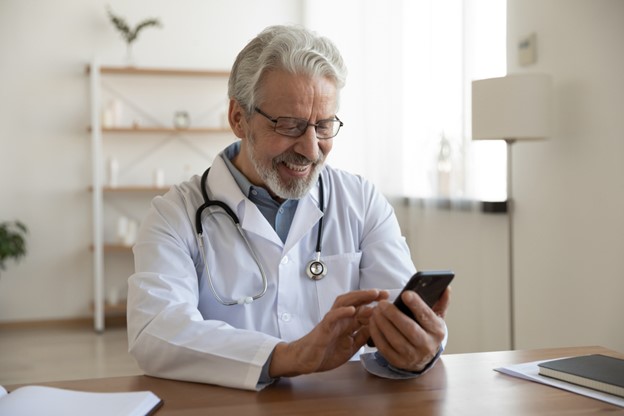
Now that you understand the benefits, concerns, and key rules of using social media as a medical professional, let’s delve into how to use social media as a medical professional considering the best practices:
1. Build A Professional Online Presence
To effectively leverage social media for patient care and professional growth, medical professionals need to establish a strong and professional online presence.
Choose The Right Social Media Platforms
The first step is to select the appropriate social media platforms that align with their goals and target audience. Platforms such as LinkedIn, Mastodon, Twitter and YouTube are popular among medical professionals due to their ease of use, broad reach, and networking capabilities. Each platform serves a unique purpose, and medical professionals should consider their specific needs and objectives before creating accounts.
Create A Compelling Profile
A well-crafted social media profile is crucial for making a positive impression and attracting the right audience. Medical professionals should provide accurate and up-to-date information about their qualifications, areas of expertise, and professional affiliations. Using a professional profile picture and writing a concise yet engaging bio that highlights their unique value proposition is also essential.
Engage With The Healthcare Community
Once the profile is set up, medical professionals should actively engage with the healthcare community on social media. This includes following relevant organizations, participating in medical discussions, and sharing valuable content. By consistently engaging with others and providing meaningful contributions, medical professionals can build a network of like-minded individuals, establish their credibility, and increase their visibility within the industry.
2. Enhancing Professional Growth Through Social Media
Social media platforms offer medical professionals unique opportunities for professional growth and development.

Networking With Colleagues And Experts
Through social media, medical professionals can connect with colleagues, experts, and influencers within their practice field. By joining professional groups, participating in online conferences, and following key thought leaders, doctors can expand their professional network, gain insights from peers, and discover new career opportunities. Networking on social media can also lead to collaborative research projects, mentorship opportunities, and invitations to speak at conferences or events.
Participating In Medical Discussions And Conferences
Social media provides a platform for medical professionals to engage in ongoing medical discussions and contribute their expertise. Joining relevant hashtags on LinkedIn or participating in Twitter chats allows doctors to share their insights, learn from others, and stay up-to-date with the latest advancements in their field. Additionally, many medical conferences now incorporate social media engagement, enabling attendees to connect and share knowledge in real time.
Building Credibility And Reputation
By consistently sharing valuable content and engaging with the healthcare community, medical professionals can establish themselves as trusted authorities and thought leaders in their respective fields. This can enhance their professional reputation, attract new patients or referrals, and open doors to collaboration and speaking opportunities. Demonstrating expertise through social media can also strengthen the reputation of the medical institution or practice they are associated with.
3. Leveraging Social Media For Patient Care
Social media platforms offer medical professionals numerous opportunities to enhance patient care and improve health outcomes.

Educate And Empower Patients
One of the most significant benefits of social media in healthcare is the ability to educate and empower patients. Medical professionals can share educational content, health tips, and disease management strategies, helping patients make informed decisions about their health. By providing accurate and reliable information, doctors can combat misinformation and promote a culture of health literacy.
Enhance Patient-Provider Communication
Social media platforms enable direct communication between medical professionals and their patients, facilitating quick and convenient interactions. Patients can ask questions, seek clarifications, and receive timely updates, leading to improved patient satisfaction and engagement. Moreover, social media can be used to share important health-related announcements, such as vaccination campaigns or disease outbreaks, ensuring patients stay informed and prepared. In addition, medical professionals can use these platforms to counter the spread of misinformation by using their professional knowledge and opinions for the greater good.
Medical professionals can leverage social media platforms to share the latest medical information and research findings with a broader audience. By disseminating valuable content, such as journal articles, research papers, or clinical guidelines, doctors can contribute to advancing medical knowledge and encouraging evidence-based practices. Social media also allows for collaboration and knowledge exchange among researchers and clinicians across the globe.
4. Ethical Considerations And Guidelines
While leveraging social media platforms, medical professionals must adhere to ethical guidelines to maintain professionalism and protect patient interests.
Protecting Patient Privacy And Confidentiality
Medical professionals should exercise caution when discussing patient cases or sharing medical information on social media. Patient privacy and confidentiality must always be respected, and explicit consent should be obtained before sharing any patient-related content. It is advisable to de-identify patient information and avoid disclosing personal identifiers to ensure compliance with ethical and legal obligations.

Maintaining Professionalism And Boundaries
When using social media, medical professionals should maintain a professional tone and conduct themselves in a manner that upholds the reputation of the profession. It is essential to avoid engaging in unprofessional behavior, such as personal attacks, offensive language, or discriminatory remarks. Medical professionals should also be mindful of maintaining appropriate boundaries with patients, refraining from engaging in personal relationships or providing specific medical advice without a formal doctor-patient relationship.
Avoiding Misinformation And Promoting Evidence-Based Content
Medical professionals are responsible for ensuring the accuracy and reliability of the information they share on social media. They should critically evaluate sources, verify information, and strive to promote evidence-based content. Sharing misleading or unverified information can have serious consequences, leading to misinformation and potentially harming patients’ health. Medical professionals can help combat misinformation and promote informed decision-making by promoting credible sources and citing reputable references.
5. Overcoming Challenges And Maximizing Benefits
While social media offers significant benefits, medical professionals may encounter challenges along the way. These challenges can be overcome by being proactive and adopting effective strategies to maximize the benefits.
Time Management And Balance
Managing time effectively is crucial when using social media as a medical professional. It is easy to get overwhelmed or spend excessive time browsing, responding to messages, or creating content. Setting specific time limits, scheduling dedicated social media time, and using tools to streamline content creation and scheduling can help medical professionals maintain a healthy balance between their online presence and other professional responsibilities.
Dealing With Negative Feedback or Criticism
In the realm of social media, medical professionals may encounter negative feedback, criticism, or even online harassment. It is essential to handle such situations professionally, remaining calm and composed. Constructive criticism can be an opportunity for growth and improvement, while unfounded attacks should be addressed with factual information and a respectful tone. When faced with online harassment, medical professionals should report the incidents and, if necessary, seek support from colleagues or legal professionals.

Measuring The Impact And Adjusting Strategies
To ensure the effectiveness of their social media efforts, medical professionals should monitor and measure the impact of their online presence. Tracking metrics such as audience engagement, reach, and conversions can provide valuable insights into the effectiveness of different strategies. By analyzing data and feedback, medical professionals can identify areas for improvement, tailor their content to meet the needs of their target audience and refine their social media strategies over time.
How To Use Social Media as a Healthcare Professional – Conclusion
Social media platforms can potentially revolutionize the personal professional growth as well as patient care. By effectively leveraging these platforms, doctors and healthcare providers can reach a broader audience, enhance patient-provider communication, share valuable information, and establish themselves as leaders in their respective fields. However, it is crucial to navigate the ethical considerations, maintain professionalism, and critically evaluate the information shared. With careful planning, strategic engagement, and adherence to guidelines, medical professionals can harness the power of social media to transform healthcare delivery and drive their professional growth.
FAQs on the Use of Social Media as a Medical Professional
In the following paragraphs you will find some general answers to frequently asked questions (FAQs) regarding the use of social media in medical professions. Please be aware that these answers may differ for healthcare professionals working in different countries.
While medical professionals may express personal opinions on social media, it is crucial to maintain professionalism and ensure that personal opinions do not conflict with evidence-based medical practice. It is advisable to clearly distinguish between personal opinions and medical advice and provide appropriate disclaimers when expressing personal viewpoints.
2. How Can Social Media Help in Staying Updated with Medical Advancements?
Social media platforms provide a wealth of information and facilitate real-time discussions about medical advancements. By following relevant medical journals, professional organizations, and thought leaders in their field, medical professionals can stay updated with the latest research, advancements, and emerging trends. Engaging in medical discussions and participating in online conferences or webinars also provide opportunities to learn from experts and colleagues.
3. What Are Some Popular Social Media Platforms for Healthcare Professionals?
Some popular social media platforms used by healthcare professionals include LinkedIn, Twitter, Mastodon, Facebook, and YouTube. Mastodon and Twitter are particularly popular for real-time discussions, while LinkedIn offers professional networking opportunities. Facebook groups and pages can be valuable for patient education and engagement, while YouTube provides a platform for sharing educational videos and presentations. Furthermore, there are research-oriented platforms such as ResearchGate.
4. Are There any Legal Implications of Using Social Media in Healthcare?
Yes, there can be legal implications when using social media in healthcare. Medical professionals must comply with privacy regulations and patient confidentiality laws when sharing patient-related information. It is crucial to obtain appropriate consent, de-identify patient information, and adhere to ethical guidelines and professional standards. It is advisable to consult legal experts or review institutional policies to ensure compliance with relevant laws and regulations.
5. How Can Medical Professionals Handle Online Trolls or Harassment?
Online trolls or harassment can be challenging to deal with. It is important for medical professionals to maintain professionalism and refrain from engaging in confrontations. It is advisable to ignore or block individuals who engage in harassment, report abusive behavior to the respective social media platforms, and, if necessary, involve legal authorities. Seeking support from colleagues, professional organizations, or legal professionals can provide guidance and assistance in handling such situations.
